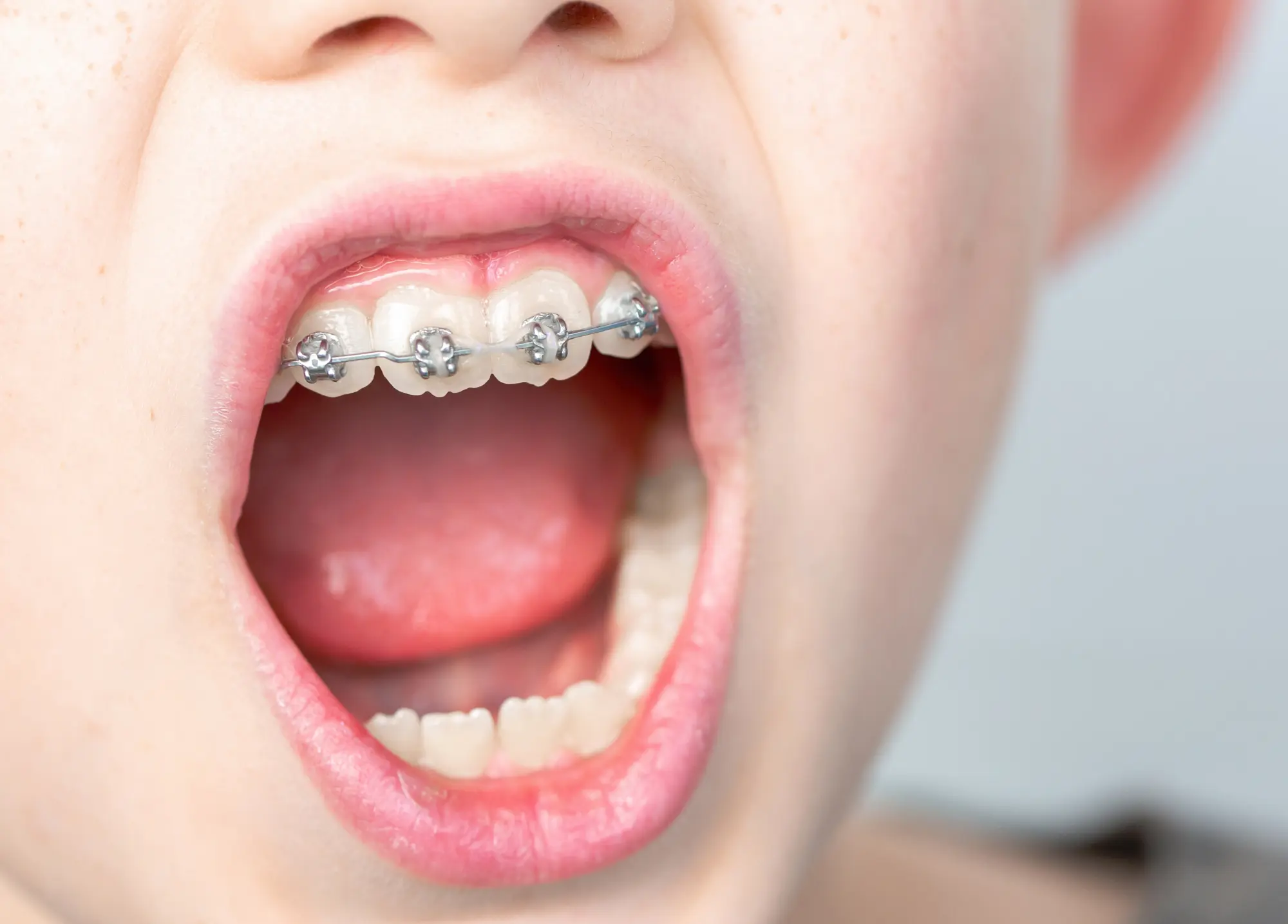
Why Early Orthodontic Treatment Can Protect Your Child’s Smile
When parents think about orthodontics, they often think about straight teeth, braces, and a beautiful smile. While alignment is certainly part of the picture, early orthodontic treatment can do much more than improve the way a child’s smile looks. In some cases, it can help protect permanent teeth, guide healthy jaw development, create space for adult teeth, and reduce the risk of more complicated treatment later.
At Sorrento Valley Pediatric Dentistry in San Diego, CA, we look at orthodontics through a very individualized lens. Our goal is not to rush every child into treatment or recommend braces before they are truly needed. Instead, Dr. Rene and Dr. Nadia take the time to evaluate each child’s bite, growth, dental health, and personality so we can make thoughtful recommendations that support their long-term oral health.
For some children, waiting is perfectly appropriate. For others, early orthodontic intervention can make a meaningful difference. If we see a crossbite, crowding, a tooth that may become impacted, or a bite issue that could put permanent teeth at risk, we want parents to understand what is happening and why timing matters.
Early orthodontics is about more than cosmetics
A straight smile is wonderful, but early orthodontic treatment is not just about cosmetics. One of the biggest reasons we may recommend an early orthodontic evaluation is to protect your child’s developing permanent teeth.
Certain bite issues can place teeth in positions where they are more vulnerable to injury, trauma, uneven wear, or fracture. For example, if a child has a crossbite or front teeth that are positioned in a way that leaves them more exposed, those teeth may be at greater risk during everyday activities, sports, falls, or accidents.
A fractured permanent tooth is not a small issue. Once an adult tooth is damaged, that tooth may need lifelong monitoring and management. Depending on the severity of the fracture, a child may need bonding, crowns, root canal treatment, future replacement, or ongoing repairs as they grow. That is why we take these concerns seriously.
When we see a situation that could put a permanent front tooth or back tooth at risk, we always want to show the parent what we are seeing. We may use photos, X-rays, or a clinical exam to explain the bite and help you understand what could happen if the issue is left untreated. From there, we can talk through whether early orthodontic treatment may help prevent bigger problems.
When might a child need early orthodontic treatment?
Not every child needs orthodontic treatment at a young age. Some children can wait until most or all of their permanent teeth come in before beginning braces or aligners. However, there are certain situations where early treatment may be recommended because the issue could affect your child’s oral development, facial symmetry, or long-term dental health.
Early orthodontic treatment may be helpful if your child has a crossbite, significant crowding, not enough space for permanent teeth, a tooth that appears to be impacted, front teeth that are at higher risk for injury, or bite issues that may affect jaw growth.
The key is determining whether the problem is cosmetic, developmental, protective, or urgent. At Sorrento Valley Pediatric Dentistry, we look beyond how the teeth appear today. We also think about what could happen as your child grows.
Sometimes, the question is not, “Are the teeth straight right now?” The better question is, “If we do nothing, what could this become?”
Crossbites and jaw growth
A crossbite happens when the upper and lower teeth do not line up the way they should. In a healthy bite, the upper teeth usually sit slightly outside the lower teeth. With a crossbite, some of the upper teeth may sit inside the lower teeth instead.
This can happen in the front teeth, the back teeth, or both. Depending on the child, a crossbite may be more than a tooth-position issue. It may influence how the jaw grows or how the child shifts their bite when chewing.
When a child has a crossbite, they may naturally move their jaw to one side to make their teeth fit together. Over time, this can contribute to uneven jaw growth or changes in facial symmetry. Since children are still growing, early treatment may help guide the jaw into a healthier position before the bones become more mature.
This is one of the reasons early orthodontic evaluation can be so helpful. We can identify whether a crossbite is something we should monitor or something that would be better treated while your child is still young.
Crowding, spacing, and impacted teeth
Another common reason we recommend early orthodontic treatment is lack of space.
As children grow, baby teeth fall out and permanent teeth begin to erupt. Ideally, there is enough room for those permanent teeth to come in properly. But sometimes, the jaw is too narrow or there is significant crowding. When this happens, adult teeth may come in crooked, rotated, blocked out, or, in some cases, stuck in the bone.
A tooth that is stuck in the bone is called an impacted tooth. Impacted teeth can create more complicated problems later, sometimes requiring oral surgery or more extensive orthodontic treatment. If we see signs that a tooth may become impacted, we may recommend early orthodontic care to help create the space that tooth needs to erupt.
This is one of the situations where early treatment may be more urgent. If we can make room at the right time, we may be able to help your child avoid oral surgery, higher costs, and a more complex treatment plan down the road.
Why we may recommend an expander
A palatal expander is one of the most common tools used in early orthodontic treatment. An expander gently widens the upper jaw to create more room for permanent teeth and improve how the upper and lower jaws fit together.
Parents sometimes feel nervous when they hear the word “expander,” especially if they had one themselves as a child. The good news is that expanders today are often slimmer and smaller than they used to be. While they can feel strange at first, most children adjust much more quickly than parents expect.
The purpose of an expander is not simply to make the smile look wider. It can support several important goals, including creating more space for permanent teeth, improving a crossbite, reducing the risk of impacted teeth, and lowering the likelihood of needing permanent teeth removed due to crowding.
We always like to remind parents that the expander is often part of the bigger picture. By creating space earlier, we may be able to make future orthodontic treatment simpler, shorter, and less invasive.
Will an expander be uncomfortable?
It is completely fair for parents to ask whether an expander will hurt.
The honest answer is that an expander can feel uncomfortable for the first day or two. Your child may feel pressure, tightness, or a strange sensation when speaking or eating. That is normal. Most kids adjust within about a week.
During that adjustment period, soft foods can be helpful. Children may also need a little extra encouragement as they get used to speaking, swallowing, and brushing around the appliance. But in our experience, the vast majority of children adapt well.
We also understand that every child is different. Some children are very flexible and adjust quickly. Others are more sensitive and need more support. That is why we never look at orthodontic treatment as a one-size-fits-all decision.
Understanding phase one and phase two orthodontics
Early orthodontic treatment is often called phase one orthodontics. This usually happens when a child still has a mix of baby teeth and permanent teeth.
The purpose of phase one is not always to create the final, perfect smile right away. Instead, phase one treatment is designed to correct or improve specific developmental issues while the child is still growing.
Phase one may focus on widening the upper jaw, correcting a crossbite, making space for permanent teeth, reducing the risk of impaction, improving bite function, protecting front teeth from trauma, or supporting more balanced jaw growth.
After phase one orthodontics is complete, many children enter a resting period. This does not mean we stop paying attention. It simply means active treatment pauses while we wait for the rest of the permanent teeth to come in. During this time, we continue to monitor your child’s growth, bite, and eruption pattern during regular visits.
Phase two orthodontics usually happens once most or all permanent teeth have erupted. This phase is focused on final alignment and bite correction. It may involve braces or clear aligners to rotate teeth, close spaces, align the bite, and create a stable, healthy result.
For many children, phase two is shorter or simpler because phase one already addressed the bigger developmental concerns. That is one of the reasons we may recommend early treatment when appropriate. We are not trying to make treatment longer. In many cases, we are trying to shorten the overall time your child spends in orthodontics and reduce the need for more aggressive treatment later.
Does every child need early orthodontics?
No. And this is important.
At Sorrento Valley Pediatric Dentistry, we do not believe every child needs early orthodontic treatment. Our philosophy is centered on one very important idea: each child deserves an individualized recommendation.
Some children can truly benefit from early treatment. Others may be better off waiting. Some may not need extensive orthodontics at all. The right answer depends on several factors.
We look at how the teeth are coming in, whether there is enough space, how the jaws fit together, and whether any permanent teeth appear to be at risk. We also consider your child’s dental health. If a child has several cavities or struggles with brushing, we may want to improve their dental health before beginning orthodontic treatment. Braces, expanders, and other appliances require good home care.
We also think about your child’s personality and readiness. Some children are ready for braces or an expander at a young age. Others may be more sensitive, anxious, or emotionally not quite ready. That does not mean they will never be ready. It just means we may need to approach treatment differently or consider timing carefully.
We want orthodontic care to be successful, not stressful. When we create a plan, we think about your child’s mouth, but we also think about your child as a person.
When early orthodontic treatment may be urgent
There are times when early orthodontic treatment becomes more urgent.
For example, if we see that a permanent tooth is starting to become impacted, we may recommend starting treatment sooner rather than later. If we wait too long, that tooth may become stuck, and correcting the issue could require oral surgery or more expensive treatment in the future.
We may also recommend timely treatment if a crossbite is affecting jaw growth or facial symmetry, or if front teeth are positioned in a way that makes them more vulnerable to trauma.
Urgent does not mean we want to scare parents. It means we want to be clear. If there is a situation that could become critical, we want you to understand what we are seeing and why we think treatment may be important.
Whenever possible, we show parents the issue directly. We explain what is happening, what could happen without treatment, and what early orthodontics may help prevent. We want you to feel informed, not pressured.
A healthier smile starts with the right timing
Early orthodontic treatment is not about rushing kids into braces. It is about recognizing when timing can make a real difference.
For some children, early intervention can protect permanent teeth from injury. For others, it can help guide jaw growth, create space, or prevent impacted teeth. And for many families, it can help reduce the need for more complex, costly, or invasive treatment later.
At Sorrento Valley Pediatric Dentistry in San Diego, CA, Dr. Rene and Dr. Nadia believe every child deserves a thoughtful, individualized approach. We consider your child’s dental development, oral health, and emotional readiness before making any recommendation.
Because the goal is not just a straight smile. The goal is a healthy, functional, confident smile that supports your child as they grow.
If you have been told your child has a crossbite, crowding, a possible impacted tooth, or front teeth that may be at risk for injury, we would be happy to help you understand your options. Call Sorrento Valley Pediatric Dentistry at (619) 432-2112 to schedule a visit and learn whether early orthodontic treatment may be right for your child.
Related Posts
The Oral-Systemic Link: How Your Child's Dental Health Impacts Overall Growth
Space Maintainers: Preserving Jaw Alignment After Early Baby Tooth Loss
Preventive Power: How Dental Sealants and Fluoride Stop Cavities Before They Start