Preventive Power: How Dental Sealants and Fluoride Stop Cavities Before They Start
Parents ask us this question all the time: "My child brushes twice a day. How come they're still getting cavities?" It's a frustration we hear regularly, and there's usually one thing we tell them: brushing alone isn't enough. While brushing is important, there's a missing factor in many cavity prevention plans, and once you understand it, you can actually protect your child's teeth.
The truth is that cavity prevention is not a one-step solution. It's a combination strategy. At Sorrento Valley Pediatric Dentistry in San Diego, we work with families to create a complete preventative plan tailored to their child's individual risk level. Some children need aggressive prevention because they're cavity-prone. Others need a lighter touch. But every child deserves a strategy that actually works, and we're here to help you build one.
If you've been wondering why your child keeps getting cavities despite brushing, keep reading. We're going to break down the real causes, explain the tools that actually prevent cavities, and help you understand the comprehensive approach that works.
The Two Main Culprits Beyond Brushing: Snacking and Flossing
When we talk about the top reasons for cavities, diet and hygiene are at the top of the list. But here's the thing: most parents are already focusing on brushing. So there are two critical gaps we see over and over.
The first is snacking. If your child is snacking constantly throughout the day on chips, crackers, cookies, and other sticky or sugary foods, you're almost guaranteed to get cavities. Every time your child eats, the bacteria in their mouth produce acid that attacks the teeth. If you're snacking all day long, you're basically giving those bacteria constant fuel and constant opportunity to create cavities. The fix isn't complicated: it's limiting snacking between meals. If your child is thirsty between meals, water is fine. But frequent snacking on processed foods is a fast track to cavities.
The second critical gap is flossing. A lot of people miss the nightly flossing piece, and it's one of the most common reasons we see cavities developing between teeth. When teeth are touching each other, a toothbrush can't reach the space between them. That's where food gets trapped and cavities start. The second best way to prevent cavities, outside of brushing, is flossing every single night.
Here's what might surprise you: we recommend starting flossing early. As soon as your child's teeth have started to touch, which can be as early as age two or three, we suggest bringing flossing into the routine. Yes, flossing a two-year-old takes patience and practice. But it sets up the habit early and prevents problems before they start. We know some parents think flossing is unnecessary for baby teeth, but baby teeth matter tremendously. They hold space for permanent teeth, and if a baby tooth gets a cavity, it can affect the permanent tooth developing underneath.
So step one of cavity prevention beyond brushing: control the snacking and establish nightly flossing. These two changes alone will make a huge difference for most children.
Understanding Dental Sealants: Your Child's Cavity Defense
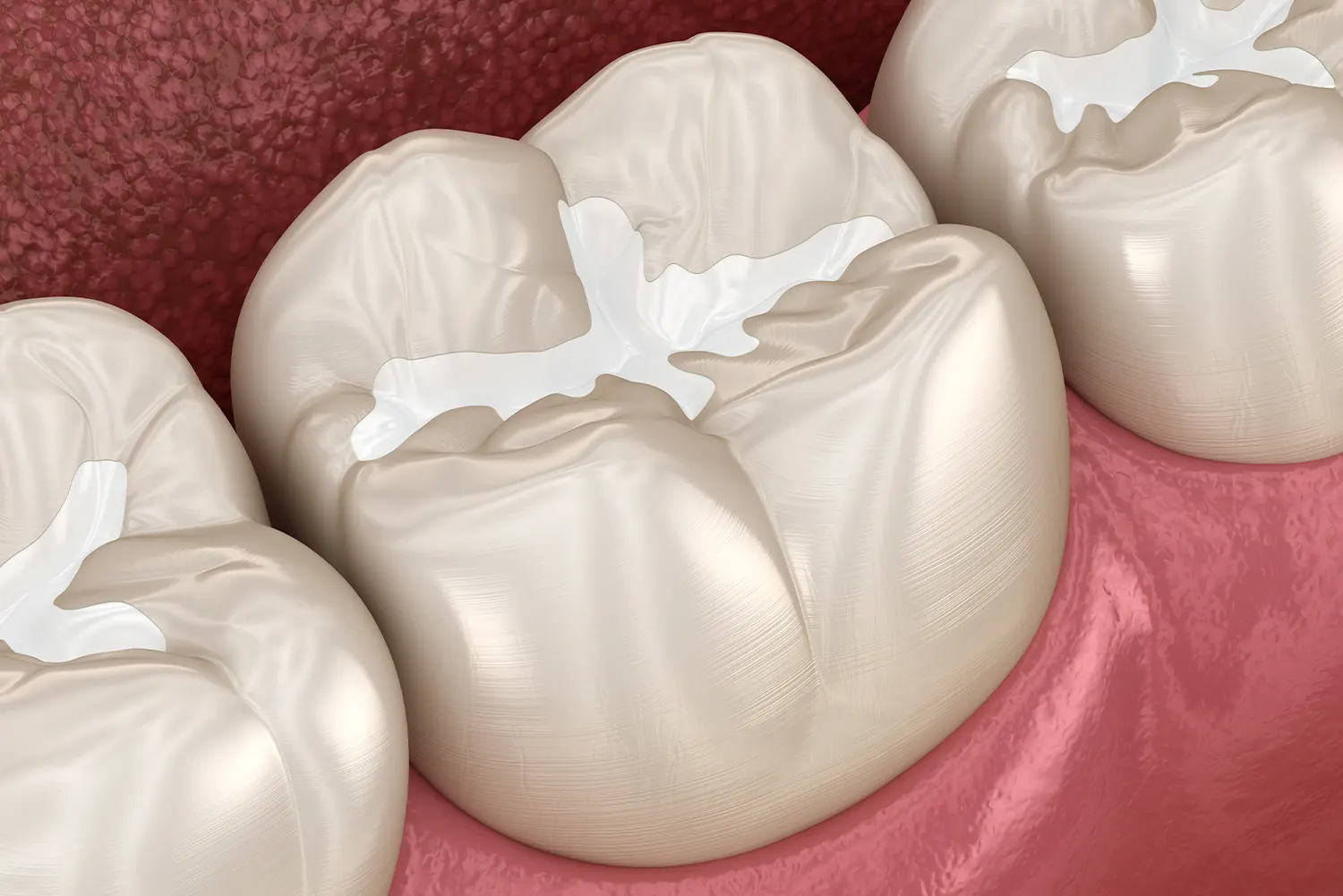
When parents ask us about dental sealants, we try to explain them as simply as possible. Think of a sealant as a thin, small liquid layer that fits into the grooves and fissures on the chewing surfaces of your child's back teeth. These grooves and pits can be incredibly deep, and they're a prime spot for cavities to form because food gets trapped deep inside and a toothbrush can't reach it.
Here's how sealants work: they create a protective barrier that prevents food from getting impacted deep into those grooves. By sealing off the problem areas, we dramatically reduce the chances of a cavity forming in that spot. The cavity prevention rate with sealants is really high. In fact, sealants have been used in dentistry for almost 40 years. Most dentists use them on their own children. They're extremely safe and very effective.
Not every tooth needs a sealant, but for children who have back molars with very deep pits and fissures, or for any child with a history of cavities, we usually advise sealants on their first permanent molars. These molars typically come in around age six, and that's when we recommend applying sealants. Once they're in place, they provide years of protection.
If you have questions about whether your child would benefit from sealants, we're always happy to discuss it during an appointment. Every child's situation is different, and we assess each patient individually.
The Fluoride Question: Separating Myth from Fact
Fluoride is a popular topic right now, and we get asked about it frequently. The question is usually, "Should I use fluoride?" Our answer is yes, absolutely, especially if your child has cavities or any risk factors for cavities.
When used correctly, fluoride is safe and effective. The key word is correctly. We recommend a certain amount of toothpaste to be used per age group, and that's an important factor to consider in terms of fluoride safety. For babies and very young toddlers, less is more. As children get older, the recommended amount increases. Your pediatric dentist can walk you through the right amount for your child's age.
Beyond toothpaste, many children benefit from fluoride treatments applied by the dentist. But how often should your child get a fluoride treatment? The answer depends entirely on your individual child and their situation. Some children are much more prone to cavities, and we usually recommend getting fluoride treatments every three months for those kids. Other children don't have such a high cavity risk, so we apply fluoride every six months after their regular cleaning. We assess each patient individually and tailor the frequency to their needs.
The key takeaway: if your child has cavities or is at risk for cavities, fluoride is your friend. It strengthens tooth enamel and helps prevent cavities from forming.
Building Your Child's Complete Preventative Strategy
Here's what we want every parent to understand: the ideal preventative strategy is not just sealants. It's not just fluoride. It's not just flossing. It's a combination of multiple different things working together.
For a child who's cavity-prone, here's what we typically recommend: First, we get sealants on their back molars as soon as their first permanent molars come in around age six. This gives us an immediate advantage against cavities in those high-risk spots. Second, we recommend fluoride treatments every six months at the dentist, or for some children we'll do it every three months because they're really cavity-prone. Third, we make sure the family is committed to the daily routine: brushing twice a day with fluoride toothpaste, flossing every night, and controlling snacking.
This combination approach is what actually stops cavities. No single tool is a silver bullet. But when you layer these strategies together, you create a powerful defense against tooth decay.
Again, every child's individual scenario is different. A child with excellent hygiene and low cavity risk might only need sealants and fluoride once a year. A child with a history of cavities or poor diet might need the more aggressive approach. We look at your child's specific situation and build a plan that works for them.
Why Waiting Isn't an Option
One of the most common questions we hear is, "Doctor, can I just wait for it to fall out?" Parents ask us this when their child has a cavity or early cavity risk, hoping that they can avoid treatment by letting the baby tooth naturally shed.
The answer is no. Most of the time, you can't just wait it out. These baby teeth don't come out for years and years. Children typically don't lose their molars until they're ten or eleven years old. That's a long time to leave a cavity untreated.
Here's why that matters: cavities on children grow really quickly. A small cavity can become a big problem in a matter of months. If you leave it untreated, it can cause pain, infection, and complications that affect the development of the permanent tooth underneath. Plus, the longer you wait, the more likely you'll need more invasive treatment later.
The good news is that modern dentistry has given us tools to stop cavities when we see them just starting to form. We can catch problems early and prevent them from getting worse. That's why preventative care is so important. It saves you a lot of trouble down the road, and it protects your child from unnecessary pain and treatment.
Start Early, Stay Consistent, Avoid Bigger Problems
Preventative care is genuinely one of the best things you can do for your child. We always advise getting your child to the dentist early, following all the preventative care recommendations that fit your child's situation, and staying consistent with the daily routine at home.
The idea isn't to create stress or perfect behavior. It's to set your child up with tools and strategies that work. Flossing might take a few extra minutes at night, but it's worth it. Limiting snacking might require some planning, but it prevents cavities. Fluoride treatments might seem like an extra step, but they're powerful protection. Sealants are a simple, non-invasive way to protect vulnerable teeth.
When you combine these strategies with regular dental checkups and a good home routine, you're doing everything you can to prevent cavities. And that investment in prevention now will protect your child's oral health for years to come.
If your child is struggling with cavities or you'd like to build a personalized prevention plan, we'd love to help. Give us a call at Sorrento Valley Pediatric Dentistry in San Diego at (619) 432-2112. We're here to answer your questions and work with your family to keep your child's smile healthy and cavity-free.
Related Posts

The Oral-Systemic Link: How Your Child's Dental Health Impacts Overall Growth
Space Maintainers: Preserving Jaw Alignment After Early Baby Tooth Loss
Preventive Power: How Dental Sealants and Fluoride Stop Cavities Before They Start