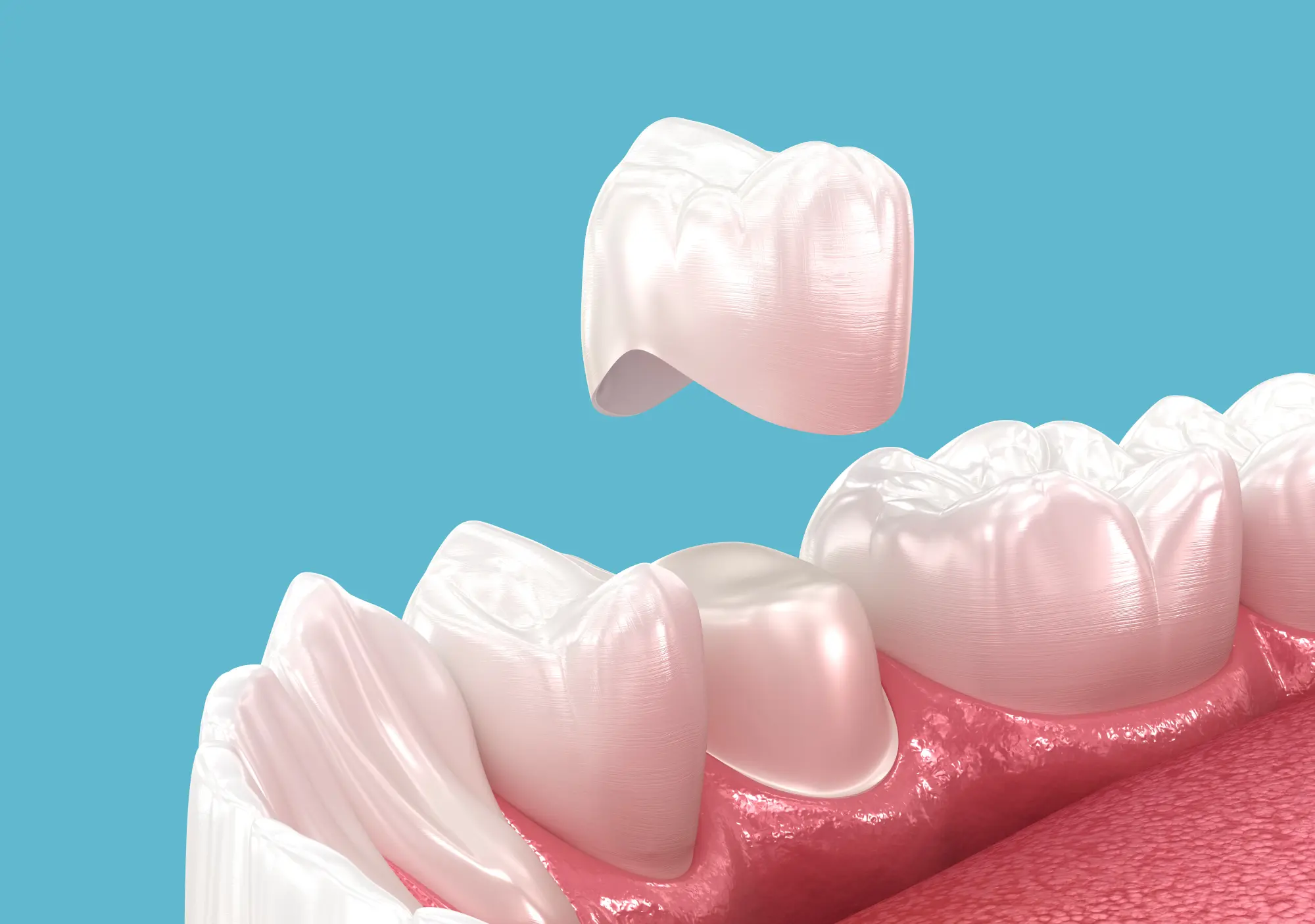
Pediatric Dental Crowns: High-Quality Aesthetic Solutions for San Diego Kids
When parents hear the word “crown,” it is completely normal to picture the adult version: multiple appointments, long visits, impressions, temporary crowns, and a more involved process from start to finish. But pediatric dental crowns are very different.
For children, dental crowns are often quick, protective, and completed in a single visit. In many cases, they are one of the strongest and most reliable ways to repair a baby tooth with a larger cavity, protect your child from future discomfort, and help preserve their smile until the permanent tooth is ready to come in.
At Sorrento Valley Pediatric Dentistry in San Diego, CA, we use pediatric dental crowns to restore both health and confidence. Whether your child has a large cavity, a fractured tooth, or a developmental concern affecting the shape or strength of their teeth, crowns can provide a durable, natural-looking solution designed specifically for growing smiles.
Pediatric Dental Crowns Are Not Like Adult Crowns
One of the first things we reassure parents about is that a pediatric dental crown is not the same as an adult crown.
Adult crowns often take multiple days or appointments. The process may involve a long preparation visit, scans or impressions, a temporary crown, lab fabrication, and a second appointment to place the final restoration.
Pediatric crowns are much simpler. In most cases, a crown for a child can be completed in about 15 minutes or less, and everything is finished in one visit. There is no waiting weeks for a lab-made crown and no need for a temporary restoration.
This makes the experience much easier for children and families. It also allows us to protect the tooth right away, which is especially important when a cavity is large or the tooth is at higher risk of breaking.
Why Would a Child Need a Dental Crown?
A child may need a dental crown when a baby tooth has too much damage for a small filling to be the best long-term solution. This often happens when a cavity is large, affects multiple sides of the tooth, or weakens the structure of the tooth.
While a filling can work beautifully for smaller cavities, a large filling is not always the strongest option for a child’s tooth. Large fillings may look nice at first, but they can fracture over time. When that happens, the child may experience pain, sensitivity, or a higher risk of infection.
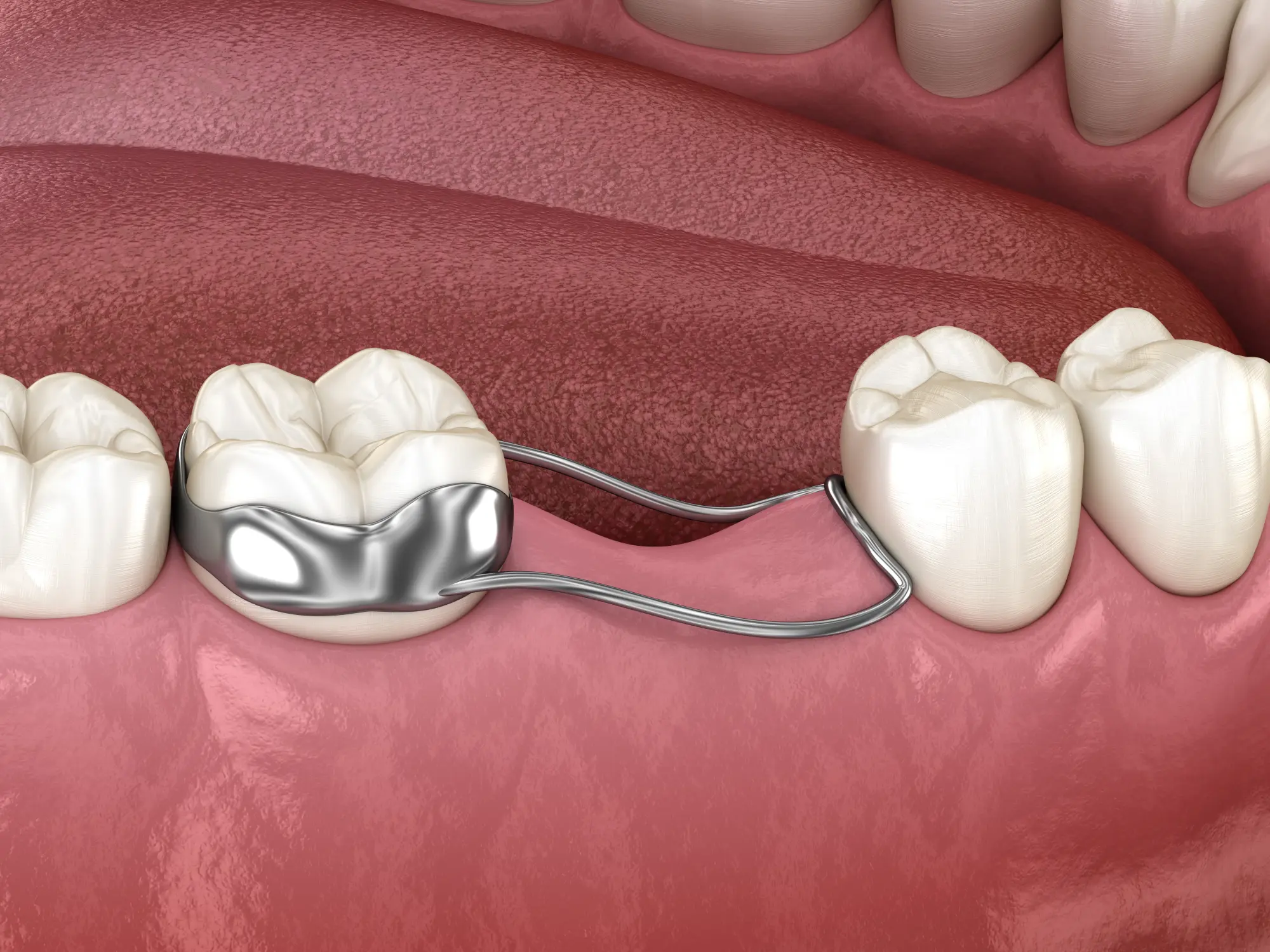
If the tooth breaks or becomes infected later, treatment can become more complicated. In some cases, the tooth may need to be removed, which can lead to additional procedures, such as a space maintainer, to protect room for the permanent tooth.
That is why, when we plan treatment for a child, we look at the bigger picture. The goal is not just to fix the tooth today. The goal is to choose the option that helps prevent repeated appointments, future discomfort, and more complex treatment later on.
Crowns vs. Large Fillings: Why Strength Matters
For many parents, the choice between a crown and a large filling can feel confusing. If a filling is smaller and less noticeable, why not choose that every time?
The answer comes down to strength and stability.
When a cavity affects multiple sides of a tooth, the remaining tooth structure may not be strong enough to reliably support a large filling for years. A filling sits inside the tooth, but a crown wraps around the entire tooth. That full-coverage design helps hold the tooth together and protect it from breaking under chewing pressure.
This is especially important for back teeth, which handle a lot of force when children bite and chew. A large filling on a baby molar may be more likely to crack, chip, or fail. A crown provides more complete support, which can help the tooth last until it is naturally ready to fall out.
For parents who think in terms of engineering, materials, and force distribution, this often makes sense. When a structure is weakened on multiple sides, surrounding it with a stronger protective covering is usually more stable than patching one area. In dentistry, crowns work in a similar way by giving the tooth a more durable outer layer.
Are Pediatric Crowns Aesthetic?
Yes, pediatric crowns can be highly aesthetic, especially for front teeth.
When a crown is needed on a front tooth, we use white crowns that are designed to closely match the color and shape of a natural tooth. These crowns are carefully shaped so they blend in with your child’s smile as naturally as possible.
In many cases, it is unlikely that most people would be able to tell which tooth has a crown. A dentist may notice, and a parent who remembers what the tooth looked like before may be able to tell, but to classmates, teachers, and friends, the tooth often looks beautifully natural.
This can be incredibly meaningful for children, especially when they are old enough to notice their smile. Even young children can feel self-conscious about teeth that are damaged, discolored, or shaped differently. A natural-looking crown can help them smile, speak, and socialize with more confidence.
Crowns for Developmental Dental Concerns
Dental crowns are not only used for cavities. They can also help children with developmental conditions that affect the shape, size, or formation of their teeth.
For example, some children with rare developmental disorders, such as ectodermal dysplasia, may have baby teeth that are malformed. Instead of looking square or naturally shaped, front teeth may appear small, pointed, triangular, or uneven.
For a child who is four or five years old and preparing to start kindergarten, these differences can affect confidence. In these cases, placing aesthetic crowns can be one of the simplest and most rewarding ways to help a child feel more comfortable with their smile.
Pediatric dentistry is not just about treating cavities. It is also about supporting a child’s comfort, confidence, function, and development at every stage.
Will My Child’s Crown Last?
Pediatric crowns are designed to last until the baby tooth naturally falls out. Because baby teeth eventually make way for permanent teeth, the crown does not need to last a lifetime like an adult crown. It simply needs to protect the tooth through the rest of its natural lifespan.
In many cases, a pediatric crown is more long-lasting than a large filling, especially when the cavity is extensive. By protecting the whole tooth, the crown can help reduce the risk of fractures, repeat dental work, and infection.
Of course, the crown still needs care. Brushing, flossing, regular dental visits, and limiting frequent sugary snacks or drinks can all help keep the tooth and surrounding gums healthy.
What If My Child Needs Multiple Crowns?
If a child has several large cavities and needs more than one crown, we make treatment recommendations based on a few important factors. The biggest considerations are the child’s age, comfort level, behavior, and how much treatment needs to be completed.
For a very young child, especially under age four, sitting still with their mouth open for 30 minutes to an hour can be extremely difficult. Even with a calm child, multiple areas of dental work can feel overwhelming.
In these situations, sedation may be recommended so treatment can be completed comfortably, safely, and with the highest quality. If a child is moving throughout the procedure, it can make it harder to complete precise dental work. Sedation can help create a smoother experience and allow us to complete treatment efficiently.
For some children, treatment may be completed across separate appointments with laughing gas. For others, a deeper level of sedation may be the better option. The right choice depends on the child, the amount of treatment, and what will create the most positive and predictable experience.
Helping Children Feel Comfortable During Treatment
A big part of pediatric dentistry is helping children feel prepared. We know dental care can feel unfamiliar, especially when a child needs more than a routine cleaning. That is why we explain treatment in age-appropriate ways, help parents understand their options, and focus on creating a calm, supportive environment.
Crowns may sound intimidating to parents because of what adult crowns involve, but for children, the procedure is often much faster and simpler than expected. Our goal is to make the experience feel manageable for the child while choosing a treatment that protects their smile for the long term.
Protecting Your Child’s Smile With Thoughtful Care
If your child has a large cavity, a broken tooth, or a tooth that does not look or function the way it should, a pediatric dental crown may be the best solution. Crowns can help preserve baby teeth, prevent future discomfort, reduce the risk of infection, and restore a natural-looking smile.
At Sorrento Valley Pediatric Dentistry, we are here to help San Diego families make confident decisions about their child’s dental care. We look at the full picture, explain your options clearly, and recommend treatment that supports your child’s health, comfort, and long-term development.
Call (619) 432-2112 to schedule an appointment with Sorrento Valley Pediatric Dentistry in San Diego, CA and learn whether a pediatric dental crown may be right for your child.
Related Posts
The Oral-Systemic Link: How Your Child's Dental Health Impacts Overall Growth
Space Maintainers: Preserving Jaw Alignment After Early Baby Tooth Loss
Preventive Power: How Dental Sealants and Fluoride Stop Cavities Before They Start